
We are excited for you to join us, as we travel to partner countries to look, listen, learn, and love. As you prepare to embark on this journey with us, there are a number of things to be done; but don’t worry, we will guide you every step of the way! This page will serve as a guide for you to get started and keep you informed throughout the process.
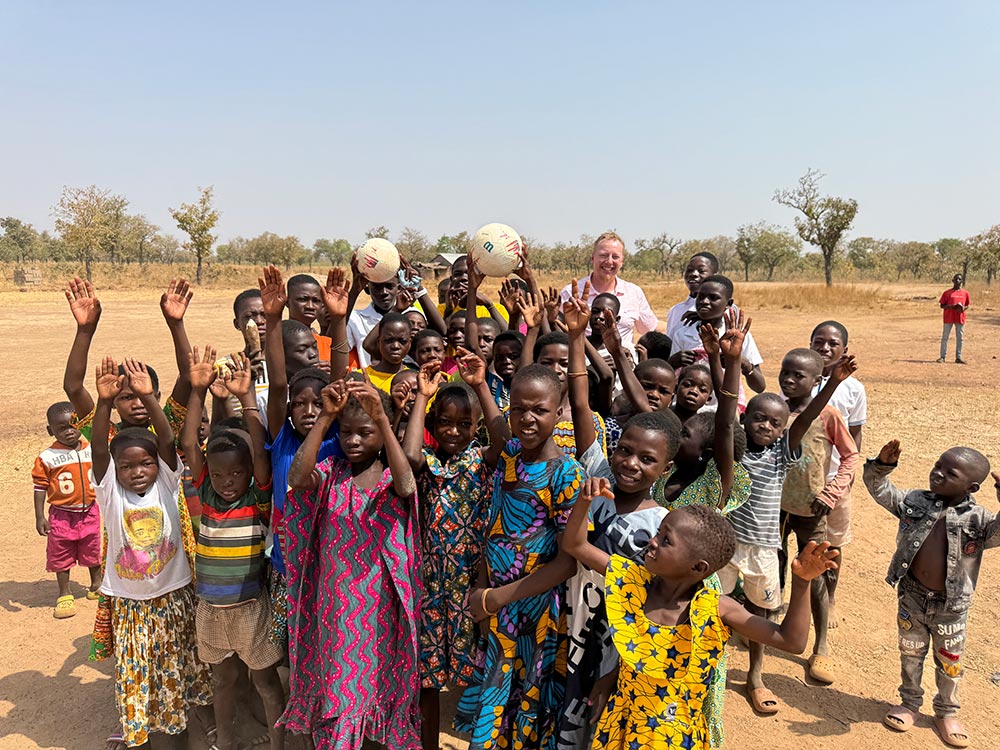
Submit your application. You can access it here
Once your application has been approved start fundraising as soon as possible. Our team will guide and encourage you along the way. Remember that you are inviting others to participate in what God is doing.
All trip funds must be received 6 weeks prior to your departure.
Once you are at this stage our team will be in touch with you to complete the necessary requirements:
You will need to submit a picture of the photo page of your passport before the flight is purchased.
Flights will not be purchased until World Hope has received enough funds to cover the cost.
After flights are purchased, you are required to have insurance. We suggest Allianz – a comprehensive package which includes flight interruption, cancellation, and medical emergency insurance.
Invite friends, family, and your church to partner with you in prayer. Keep them updated on your progress as you prepare for your trip, while you are on the ground (as you are able), and afterwards as you process all that you saw and experienced
To prepare for orientation, purchase and read When Helping Hurts Steve Corbett and Brian Fikkert.
Orientation for your trip will be scheduled and communicated to the Learning Trip team members by World Hope staff.
Before travelling to a foreign country, it is recommended* that you register with Canada Abroad. Registration of Canadians Abroad is a free service that allows the Government of Canada to notify you in case of an emergency at your destination or a personal emergency at home. The service also enables you to receive important information before or during a natural disaster or civil unrest. https://travel.gc.ca/travelling/registration
Understanding that you are travelling to hard places, we recommend that you investigate any travel advice that the Government of Canada has on your destination country and make informed choices about being part of a learning team. We recommend that you do this before you decide to commit to a trip, during your preparation, and before you travel. The Government of Canada’s official source of travel information and advice, the Travel Advice and Advisories help you to make informed decisions and travel safely while you are outside Canada. https://travel.gc.ca/travelling/advisories
*What happened during the initial days of the Covid-19 pandemic is a helpful reminder of why this is important.
Debriefing will happen regularly while you are in the country, and there will be a time for the team to come together on Zoom to debrief 4-6 weeks after returning home. You will receive an email with details.
Other books to help you understand poverty and how you can be hope in hard places.
Rich Christians in an Age of Hunger – Ronald J. Sider
Walking with the Poor – Bryant L. Myers
The Hole in Our Gospel – Richard Stearns
In the Name of Jesus – Henri Nouwen
A trip to Sierra Leone allows you to see villages that have been transformed through deep borehole wells, anti-trafficking training, latrines, education, hygiene training, global health initiatives and more. As a team we will be learning about transformational development: seeing impact, building relationships with leaders and opening our hearts to what God is doing in one of the poorest countries in the world. We will debrief each day and pray for the Sierra Leonian leaders, pastors, and staff whom we meet and interact with.
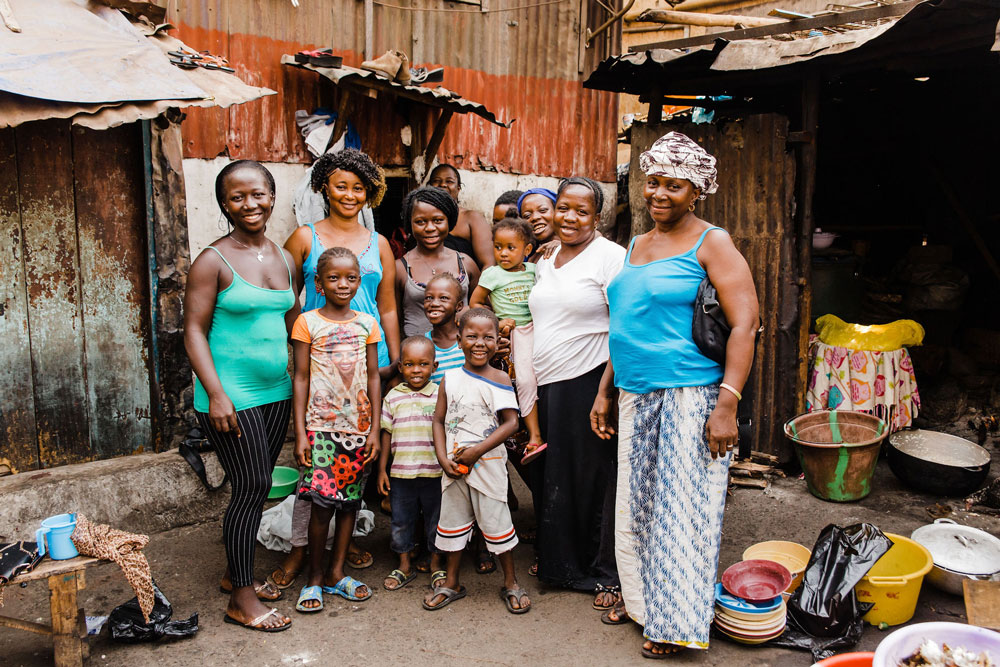
You will receive a letter of invitation from the World Hope Sierra Leone office. Please print 2 copies. Carry one in your carry-on luggage and one with your passport.
You will need to apply for an EVisa and Securipasses. The application process is online and about 6 weeks before travel, you can apply through this portal. Remember, you are a visitor/tourist when travelling with World Hope International Canada.
https://www.visitsierraleone.org/visa-application-information/
When you receive your eVisa, please print off two copies and carry them with you. One with your passport and the other in a carry-on bag – in case you need it. Your Securipasses are your exit and entrance passes for the airport. Again, we suggest you have 2 copies of each; one with your passport and one tucked away in your carry-on bag.
In Sierra Leone, the Yellow Fever vaccination is required for anyone entering the country. There are people who cannot receive the vaccine and will not be able to join the trip. Other vaccinations may be required or suggested by the healthcare team you meet with.
Upon arrival in Cambodia, you will have the opportunity to experience the culture and energy of Phnom Phen. Your time will include learning some of the history of Cambodia which lays the foundation for experiencing the multifaceted work of World Hope International. You will have the opportunity to visit agricultural programs that are transforming entire families, experience eco-tourism and conservation at Jahoo in Mondul Kiri, hear from Indigenous Bunong church leaders, and you will see how children are learning that education can be fun and valuable through preschool programming and after school clubs. Our team will share with you about the antitrafficking initiatives that bring hope in really hard places, from educating children, families, and communities about staying safe to survivor care and reintegration.
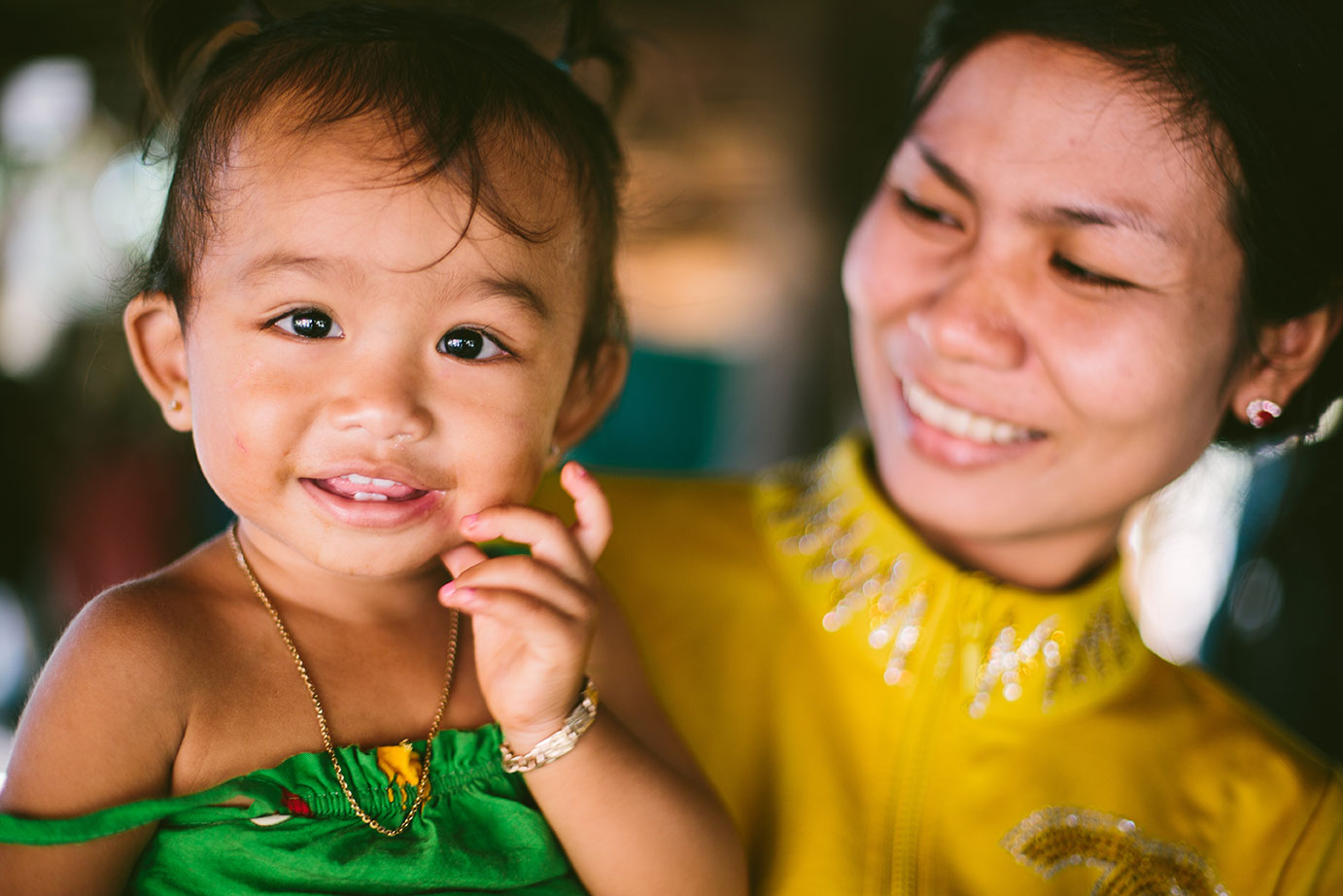
A World Hope Team member will inform you of Cambodia specific travel needs as you prepare to go on your learning trip.
I will guide you and teach you the way you should go. I will give you good advice and watch over you with love.
Psalm 32:8 | NIrV
World Hope International (Canada) is a registered charity.
Charitable #869500173 RR 0001
1830 Mountain Road, Suite C
Moncton NB E1G 1A9
+1-613-482-1499
Toll-Free: 877-482-1499
info@worldhope.ca

World Hope International (Canada) funds are confined to Board-approved projects. Funds designated towards a project are used as designated, with the understanding that when the need for that project has been met or cannot be completed for reasons determined by the Board, the remaining funds designated will be used where needed most.