
Cancer. The dreaded ‘C’ word. I will be bold and say that it is quite likely that everyone reading this post has been touched in one way or another by cancer. In the past two years, I have personally lost four family members to this deadly and devastating disease.
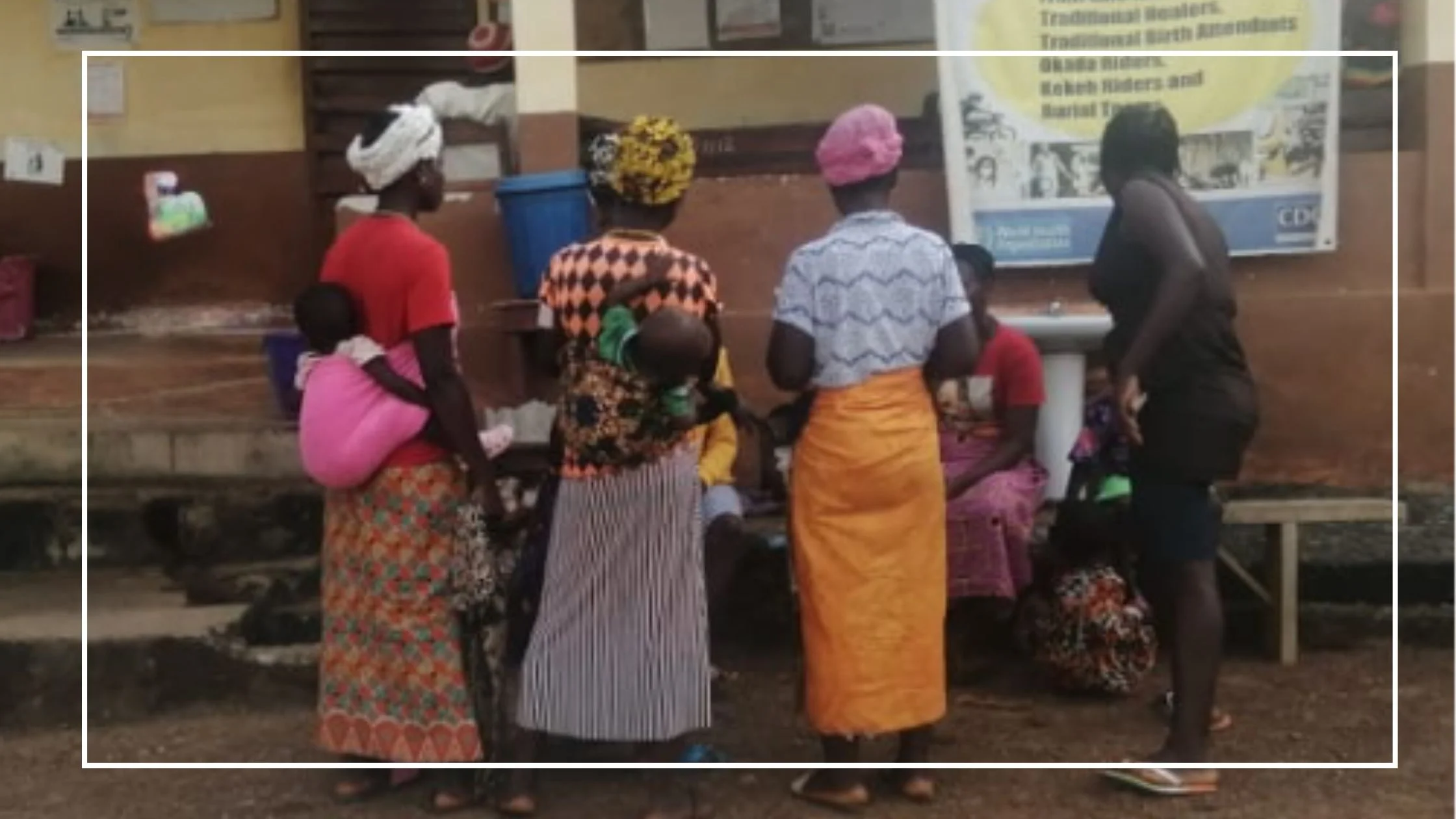
Globally, it is estimated that 600 women die each day from cervical cancer. Most of these deaths take place in low-income nations. These women are mothers, daughters, sisters, aunties, and nanas. In Sierra Leone, a mom’s death can also be a death sentence for her babies. This disease, highly treatable and even curable in developed countries, is ravaging families and communities in least developed countries. But there is hope.
In least developed countries like Sierra Leone, regular screening has rarely been available, but thanks to simplified methods, that story is changing. The screening protocol used by the team includes a visual inspection of the cervix after administering acetic acid (vinegar), which can identify premalignant lesions. When diagnosed, these types of lesions are treatable with cryotherapy or thermoablation during the same visit. For many, regular screening and early treatment is transforming outcomes, saving lives.

Unfortunately for some, advanced cervical cancer is still a death sentence, especially in least developed countries. Aminata, a 28-year-old mother of three who visited a clinic, lay in her hospital bed. Severe abdominal pain brought her to seek help, and when she arrived, the medical team discovered she was anemic. Over a weeklong stay, she had multiple blood transfusions; but they didn’t make a difference. Her husband pleaded with the team in the clinic to help, but the news was bleak. She was diagnosed with advanced cervical cancer. Less than a week later, she died.
A few months later, her husband visited and asked about the work the Cervical Cancer Team is doing. Now that he understands the importance of screening, he is a strong advocate. He understands and shares with others the importance of this simple test and treatment. If Aminata, his wife and mother to their children, had been tested and treated sooner, she may have survived. There is hope for women who are screened and treated early.
Learn more about World Hope International’s Cervical Cancer Screening program and the WHO’s initiative to eliminate cervical cancer.
Let the morning bring me word of your unfailing love, for I have put my trust in you. Show me the way I should go, for to you I entrust my life.
Psalm 143:8 NIV

World Hope International (Canada) is a registered charity.
Charitable #869500173 RR 0001
1830 Mountain Road, Suite C
Moncton NB E1G 1A9
+1-613-482-1499
Toll-Free: 877-482-1499
info@worldhope.ca

World Hope International (Canada) funds are confined to Board-approved projects. Funds designated towards a project are used as designated, with the understanding that when the need for that project has been met or cannot be completed for reasons determined by the Board, the remaining funds designated will be used where needed most.