
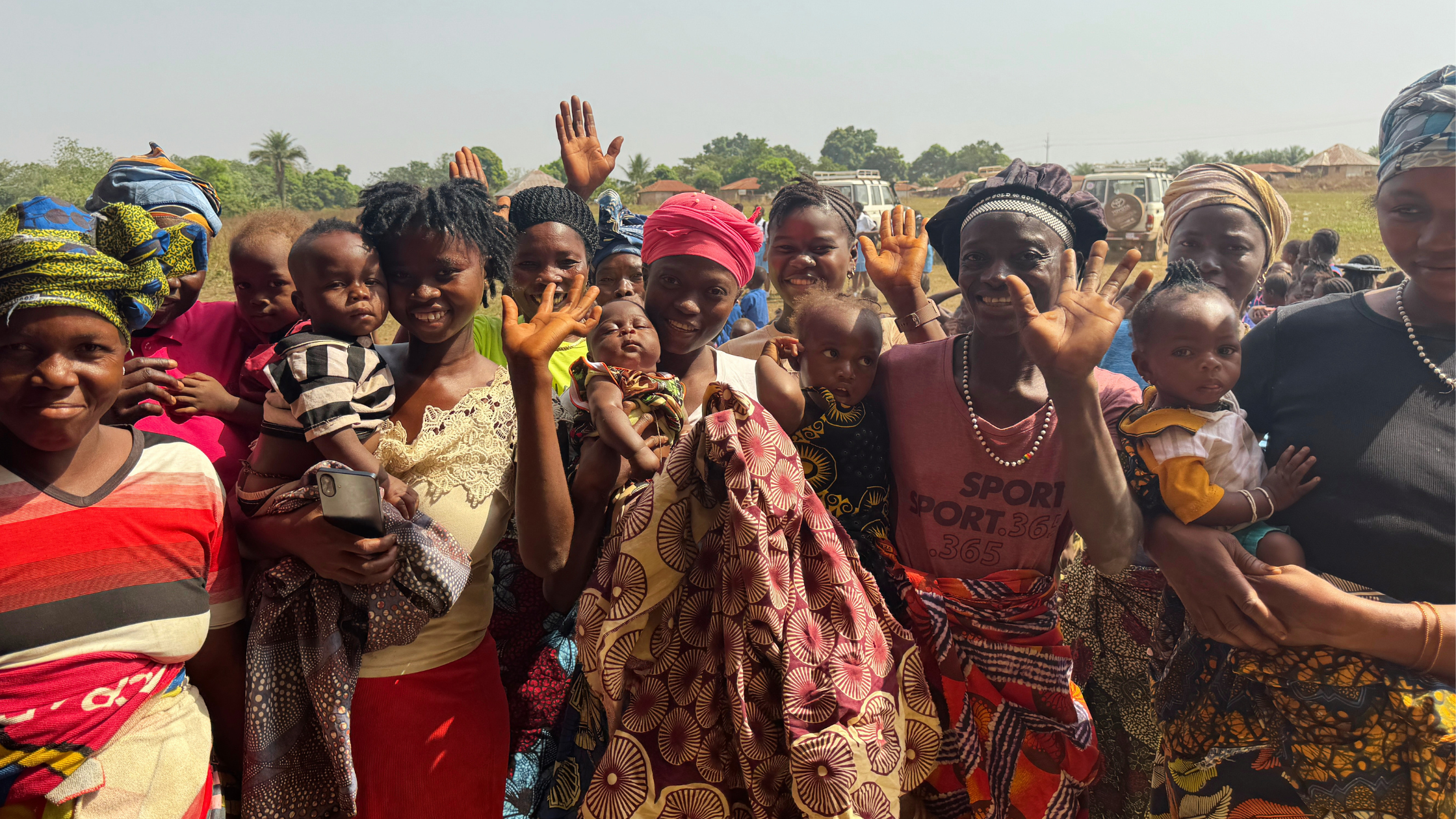
In the creation story found in the book of Genesis, God created man and woman in His own triune image and likeness and calls what He has created “very good.” Even if you struggle to believe it, this is how He sees you, me, and every other person. Our Creator, made every human in His own image. Is your first thought when you think about yourself, a homeless person, or someone living in poverty in another country, “That person is very good”?
God created the poor in His image. They bear his likeness. Whatever their skin colour, eye colour, geographical location, income level, age, or gender; each person is created in the image and likeness of God. It requires intentional work to become aware of our own bias and prejudice, but it is necessary work to see others the way Jesus does.
Bryant L. Myers, in his book Walking with the Poor, says, “Too often the voice of the poor is regarded as ‘damaged goods.’ The powerful do not expect the poor to have anything to offer, since they have been labeled (usually by the non-poor) as lazy, ignorant, or unworthy” (p. 127). Read that again and notice how you respond. Do you agree or do some other feelings stir in you?
Now, take a moment to truly search your heart and see if this is true for you, if any little, tiny piece of this is true for you. Have you ever made the statement that someone on social assistance is “just lazy,” “can’t get out of their own way,” or “are just doing what they know how to do?” Do you assume the poor are lazy, ignorant, or unworthy? Have you ever entertained the thought – if they would just…then they wouldn’t be poor? This is hard. Maybe this truth is resonating deep within you revealing an unjust space in yourself that you are a bit uncomfortable with. That’s good. Embrace the truth. Sit in the uncomfortable.
This attitude, even unspoken, contributes to the marred identity of the poor. When we study and seek to walk in the truth of Jesus’ view of the poor, our views will shift. God’s story is one of creation, the fall, redemption, and restoration. All humanity bears the image of God. All humanity is fallen. Yet, redemption and restoration are available to all who call on the name of Jesus. The poor are part of the all.
In our own ignorance, we, in the Western world, sometimes like to play God. We may presume to have the answers, the resources, and the methods that can change things for people. Notice how you have just reacted to this statement. Are you defensive?
Andy Crouch, in his book, Playing God, writes, “Benevolent god playing happens when we use the needs of the poor to make our own move from good to great—to revel in the superior power of our technology and the moral excellence of our willingness to help. Benevolent god playing makes us, not those we are serving, the heroes of the story. It happens whenever technological and financial resources are deployed in such overwhelming force, and with so little real trust building or relationship, that we maintain a safe distance between ourselves and the recipients of our largesse. ‘The poor are poor,’ Jayakumar said to me [Andy], ‘because someone else is trying to play God in their lives’.”
The poor need to experience transformation, but so do our attitudes and actions. Recognizing the poor as image bearers who reflect God can be startling for some. Consider for a moment how Jesus entered the world. He was born to a young girl, in a stable. Jesus, took on his humanity in a humble place, born to a humble family, into poor circumstances.
Jesus’ desire is for all people, everywhere to be reconciled to him. Poverty does not discount anyone from His Kingdom and wealth does not assure it. In the Beatitudes, He turns the thoughts and opinions of the world upside right. Just listen to His words –
“Blessed are the poor in spirit, for theirs is the kingdom of heaven. Blessed are those who mourn, for they will be comforted. Blessed are the meek, for they will inherit the earth. Blessed are those who hunger and thirst for righteousness, for they will be filled. Blessed are the merciful, for they will receive mercy. Blessed are the pure in heart, for they will see God. Blessed are the peacemakers, for they will be called children of God. Blessed are those who are persecuted for the sake of righteousness, for theirs is the kingdom of heaven. Blessed are you when people revile you and persecute you and utter all kinds of evil against you falsely on my account. Rejoice and be glad, for your reward is great in heaven, for in the same way they persecuted the prophets who were before you.”
Matthew 5:3-12 NRSVUE
Over and over in the Scriptures, Jesus spends time with and gives attention to those who are poor, broken, and outcast. He is our living example of how we should engage the poor. Listening to the stories of others and recognizing that the poor have gifts and talents to offer, changes the way we see others. When we do something for someone that they can do for themselves, we are contributing to a marred identity. Empowering people restores their God-given image, the imago Dei.
Welcoming God’s kingdom looks like walking alongside the poor. In practice, it means partnering with and empowering those without a voice, without resources, and without power. It transforms us all as we reflect God and restore the community He has created us to live in. Right relationships with ourselves, with others, and with God reflect a bit of what eternity will look like.
Visit our Learning Page to learn more about poverty and transformational development in the way of Jesus.
So God created human beings in his own image. In the image of God he created them; male and female he created them.
Genesis 1:27 | NLT

World Hope International (Canada) is a registered charity.
Charitable #869500173 RR 0001
1830 Mountain Road, Suite C
Moncton NB E1G 1A9
+1-613-482-1499
Toll-Free: 877-482-1499
info@worldhope.ca

World Hope International (Canada) funds are confined to Board-approved projects. Funds designated towards a project are used as designated, with the understanding that when the need for that project has been met or cannot be completed for reasons determined by the Board, the remaining funds designated will be used where needed most.